
Government Incentives for Solar Roof Installations
What California homeowners can still claim in 2026 after the federal tax-credit change, from battery rebates to net billing and property tax rules.
In 2026, the biggest change is federal: the 30 percent residential solar tax credit ended for homeowner-owned systems placed in service after December 31, 2025. A federal credit still applies to third-party-owned systems such as leases and power purchase agreements. At the state level, California homeowners may still benefit from battery storage incentives through SGIP, the net billing tariff for exported power, low-income solar programs, and a property tax exclusion that runs through 2026.
What Changed Federally in 2026
The Section 25D residential clean energy credit, worth 30 percent of system cost, applied to systems placed in service through December 31, 2025. It is no longer available for systems you own, whether purchased with cash or a solar loan. Importantly, the credit is tied to when installation is completed, so a deposit paid in 2025 does not qualify a system finished in 2026. A federal credit still exists for third-party-owned systems, where the leasing company or power purchase provider claims it. If keeping a federal incentive matters to you, a lease or power purchase agreement is the structure to discuss.
California Incentives That Still Help
Battery Storage Incentives (SGIP)
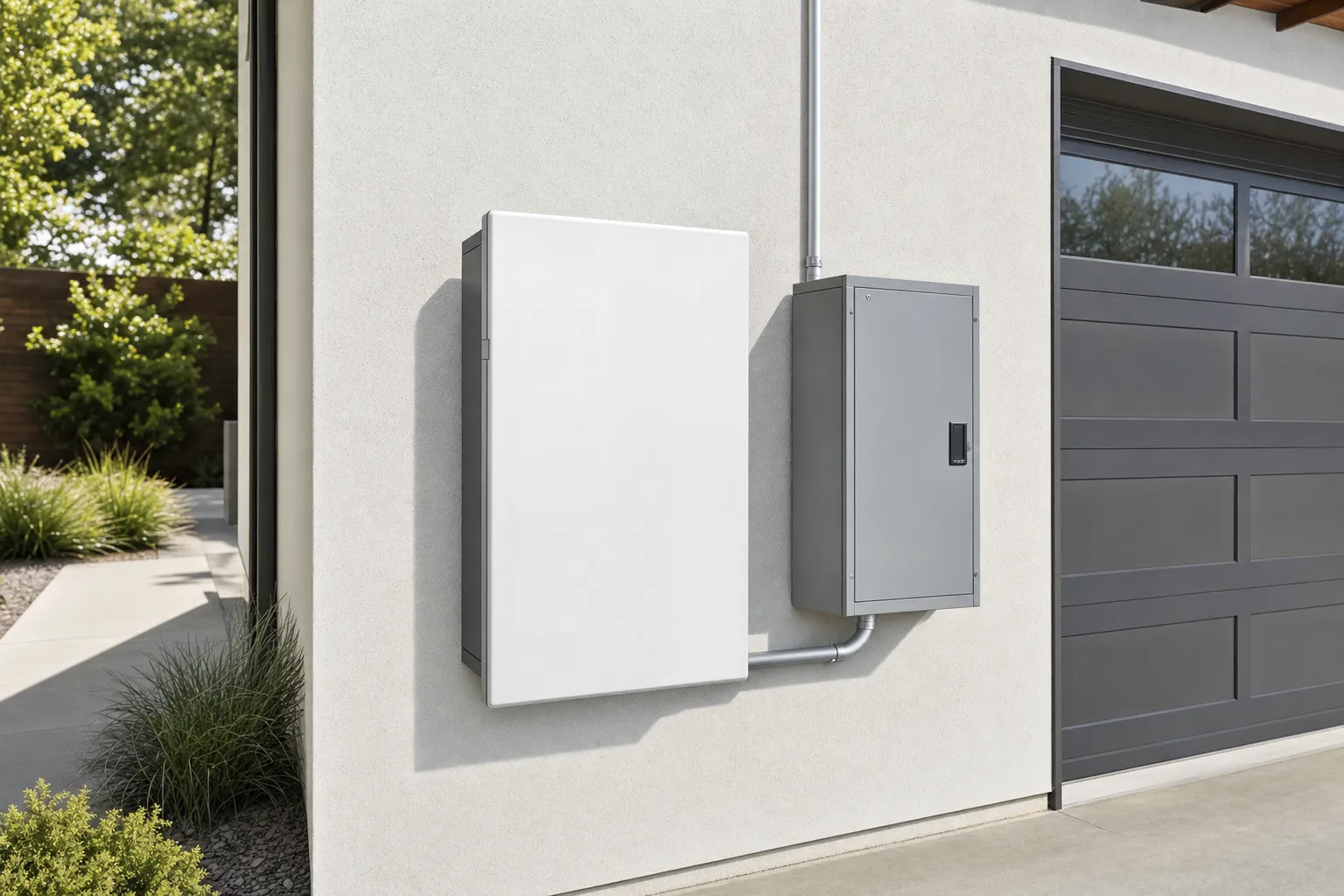
California's Self-Generation Incentive Program offers rebates for home battery storage, with larger incentives reserved for income-qualified and equity applicants. Availability varies by utility and program tier, so eligibility should be checked case by case.
Net Billing for Exported Power
Under California's net billing tariff, the power your system sends to the grid earns a credit. Customers of PG&E and SCE who interconnect before the end of 2027 can receive higher export credits for nine years.
Low-Income Solar Programs
Programs such as DAC-SASH provide upfront incentives, around 3 dollars per watt, for qualifying households in disadvantaged communities, running through 2030.
Property Tax Exclusion
California excludes the added value of a qualifying solar system from your property assessment. This exclusion applies to systems qualifying before January 1, 2027.
Act While the Timing Favors You
Several California incentives are time-sensitive. The property tax exclusion applies to systems qualifying before January 1, 2027, and the higher net billing export credits for PG&E and SCE customers depend on interconnecting before the end of 2027. Battery incentive tiers open and close as budgets are used. A free assessment identifies exactly which incentives your household qualifies for and builds them into your quote and financing.
Frequently Asked Questions
What government incentives are available for new solar roof installations?
Is the 30 percent federal solar tax credit still available in 2026?
Are there battery storage incentives in California?
Does solar increase my property taxes in California?
How does net billing affect my savings?
Get a Solar Plan Built for Your Roof
Book a free assessment for an itemized quote, real production numbers, and the financing that fits your home.