
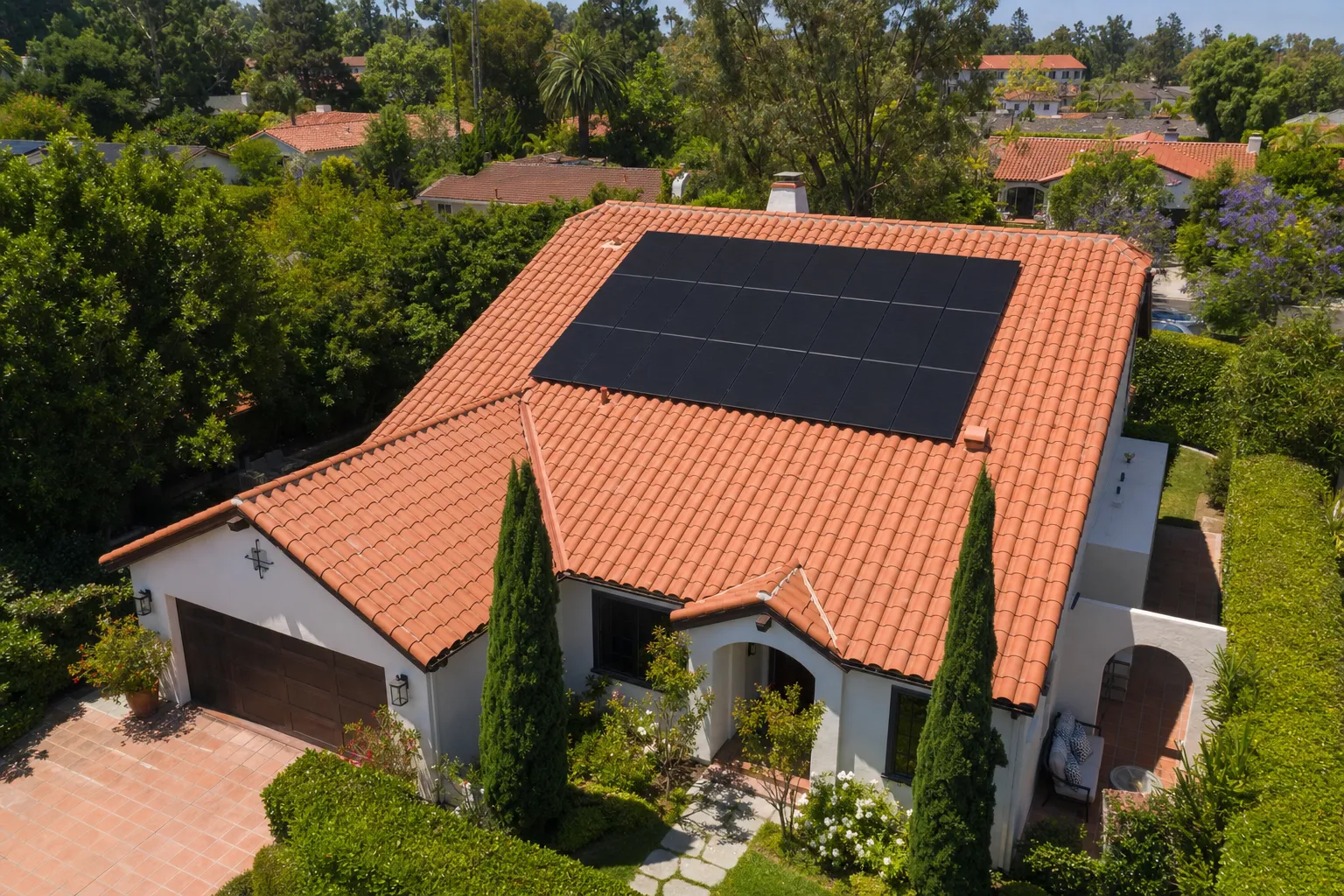
Integrated Solar Roofing Types Compared
How nailable solar shingles, solar tiles, and traditional panels differ on installation, appearance, power density, and cost.
Integrated solar roofing comes in two main forms: nailable solar shingles that install alongside asphalt shingles as a combined roof and generation layer, and solar tiles that replace the entire roof covering with a mix of energy and non-energy tiles. Both differ from traditional rack-mounted panels, which mount over an existing roof. Panels deliver the most power per square foot and the lowest cost per watt; integrated products trade some of that for a built-in roof look.
The Main Types Compared
| Type | How It Installs | Power Density | Relative Cost |
|---|---|---|---|
| Nailable solar shingles | laid alongside asphalt shingles | about 14 to 17 W/sq ft | 3.80 to 7.00 dollars/W |
| Solar tiles / full solar roof | replaces the whole roof covering | about 14 to 16 W/sq ft | highest, roof plus solar |
| Traditional rack-mounted panels | mounts over the existing roof | about 20+ W/sq ft | about 2.52 dollars/W (CA) |
How Each Type Works
Nailable Solar Shingles
These energy shingles lay side by side with standard asphalt shingles and act as both roof and generator. A roofing crew installs them, with no separate racking. A leading example, GAF Timberline Solar, delivers about 1.7 kW per roofing square.
Solar Tiles and Full Solar Roofs
The roof covering itself becomes a mix of energy-producing and blank tiles, so the project includes a full roof replacement. This gives the most seamless look but is the most expensive route.
Traditional Panels
Mounted on rails above your existing roof, panels are the highest power density and lowest cost per watt. They are the value choice when your roof is in good condition.
Choosing by Roof Situation
Replacing the roof anyway favors integrated shingles. A sound roof favors panels. A premium look on a higher-value home is where full solar tile roofs fit.
Which Type Fits Your Home
The right type depends less on the technology and more on your roof and budget. If your roof is aging and due for replacement, nailable solar shingles let you re-roof and add solar in one project with a single warranty. If your roof is sound, traditional panels give you more energy for less money. Full solar tile roofs deliver the most integrated appearance at the highest cost. A free assessment measures your roof and shows the production and price for each option that fits.
Frequently Asked Questions
What are the different types of integrated solar roofing products?
How do solar shingles differ from solar tiles?
Do integrated solar products produce as much power as panels?
Which type of solar roofing is most cost-effective?
Explore Related Services
Get a Solar Plan Built for Your Roof
Book a free assessment for an itemized quote, real production numbers, and the financing that fits your home.