
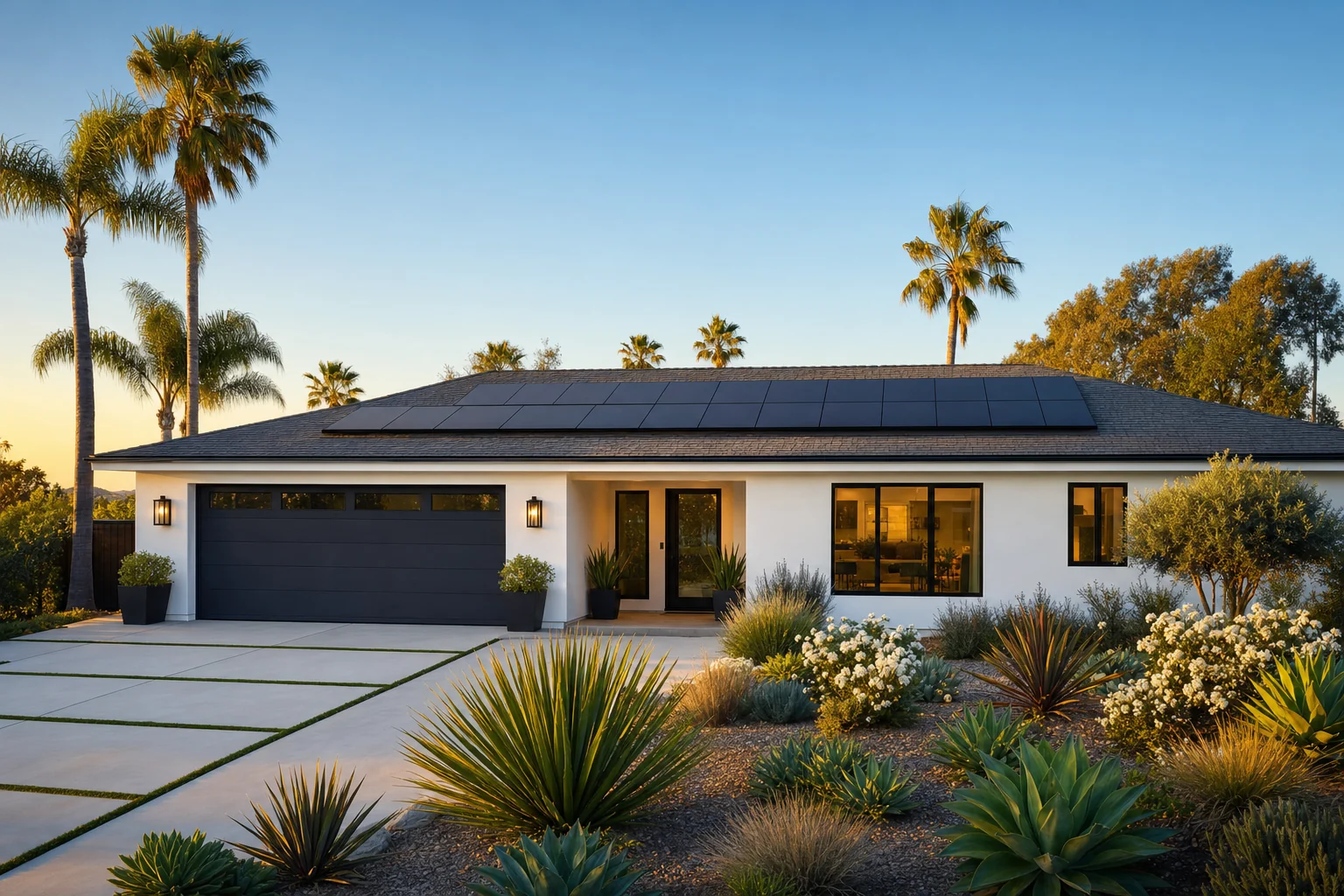
In 2026 the federal residential solar tax credit has ended, but California incentives remain. The SGIP rebate helps pay for home batteries, the state property-tax exclusion runs through December 31, 2026, and net billing credits still apply. Available programs depend on your utility and equipment.
The incentive landscape shifted in 2026. The big federal residential credit ended, but several California-specific incentives remain valuable. This guide lays out what is still available, what ended, and how to make the most of the programs that apply to your home.
The Active-Solar Property-Tax Exclusion
California excludes the added assessed value of a new solar or solar-plus-storage system from your property taxes. Solar typically adds meaningful value to a home, and this exclusion means that value does not raise your tax bill. To qualify, the system must be operational before January 1, 2027, which makes 2026 a clear window to act.
Battery Rebates Through SGIP
The Self-Generation Incentive Program provides rebates for home battery storage. In 2026 the largest amounts are reserved for income-qualified households and homes in high-fire-threat districts. Funding is limited and reserved quickly, so eligibility and current availability are confirmed during your assessment, and the paperwork is handled for you if you qualify.
What Ended and What Replaced It
The federal residential clean energy credit, Section 25D, ended for systems placed in service after December 31, 2025. For 2026 buyers purchasing outright, that 30 percent credit is no longer available.
One federal pathway remains for homeowners: a solar lease or power purchase agreement. In those arrangements the provider owns the system and claims the commercial credit, passing part of the value through to you as a lower monthly rate.
- Property-tax exclusion on added home value, system operational before January 1, 2027.
- Self-Generation Incentive Program battery rebates, mainly income-qualified and high-fire-risk.
- Sales-tax treatment that reduces effective system cost.
- Lease and power purchase agreements as the remaining federal-value pathway.