
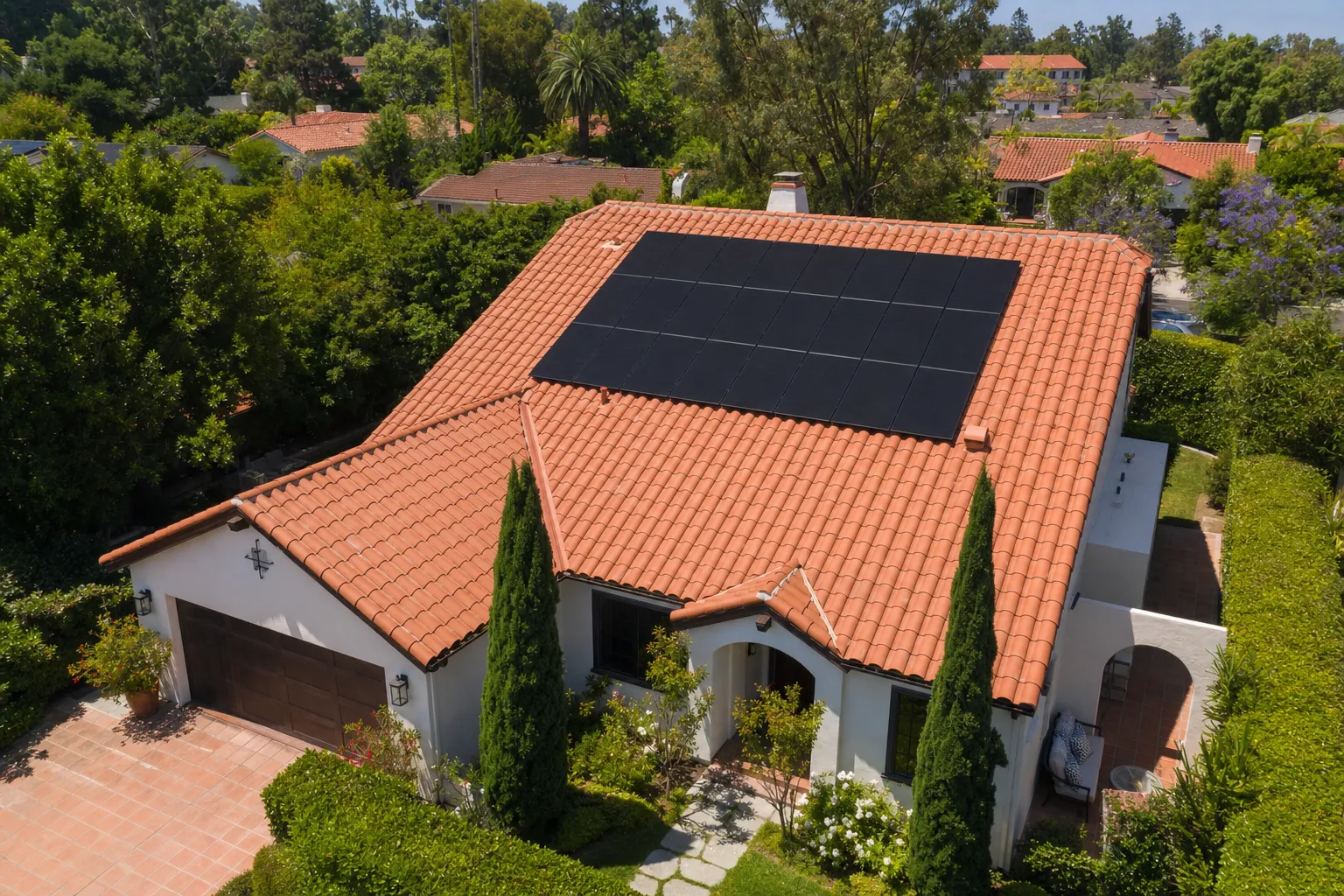
California El Niño Roof Preparation Guide
Learn what the 2026–27 El Niño outlook means for California roofs, what to inspect, when repair may be enough, and when replacement is worth considering.
Short answer: Inspect your roof before the winter rain period, then repair or replace only what its condition calls for. NOAA’s seasonal outlook favors above-normal precipitation for much of California in November–December–January 2026–27, but that is not a prediction for your address and does not mean every roof needs replacing (NOAA Climate Prediction Center).
El Niño can influence winter weather patterns. The practical step is not to assume the worst. It is to find out whether your roof has a real weakness before sustained rain makes that weakness harder to assess or repair.
What the forecast says
NOAA’s October 8, 2026 ENSO discussion described a strong-to-very-strong El Niño as likely through January–March 2027, with the likelihood remaining greater than 83%. NOAA also said that impacts consistent with El Niño become more likely during an event of this magnitude, but are not guaranteed (NOAA ENSO Diagnostic Discussion).
The California Coastal Commission recommends inspecting roofs for wear or damage that could worsen during intense rainfall and cleaning drains and gutters before storms (California Coastal Commission guidance). California is not one uniform weather zone: Santa Cruz County says the relationship between El Niño and wetter conditions is generally stronger in Southern California and less consistent in Central and Northern California (Santa Cruz County guidance). The National Weather Service Sacramento office likewise notes little correlation between most ENSO patterns and Northern California precipitation, and says significant rain and snow there are possible but not certain (NWS Sacramento ENSO information). Follow local National Weather Service forecasts for near-term conditions.
What to check before the rainy season
Look for signs that water may enter or fail to drain away from the home. A professional assessment can check areas that are difficult or unsafe to evaluate from the ground.
- Missing, cracked, loose, or visibly worn roofing materials.
- Flashing and seals around roof edges, skylights, vents, chimneys, and other openings.
- Valleys and transitions where roof planes meet.
- Gutters and downspouts that are loose, blocked, or carrying water toward the home.
- Low-slope areas, roof drains, and scuppers where water could collect.
- Interior clues such as new ceiling stains, damp attic areas, or water marks after rain.
Do not climb onto a wet, steep, or damaged roof. From a safe location, take photos and ask a licensed roofing contractor what should be checked.
Repair or replace
A localized problem on an otherwise serviceable roof may call for a repair. Widespread wear, repeated leaks, or multiple failing areas may make replacement worth comparing. An inspection should identify the observed condition, the recommended work, and why repair would or would not be sufficient.
Do not replace a roof solely because El Niño is forecast. A new roof can renew worn materials and details when replacement is justified, but it cannot prevent neighborhood flooding, blocked storm drains, falling branches, or every water intrusion.
Roof pricing before and after El Niño
There is no universal rule that replacement will cost less before El Niño or more afterward. A planned project gives you time to review scope, materials, and written pricing before a problem becomes urgent. If a known defect is left alone and water reaches other parts of the home, the work may expand, but whether early action saves money depends on the specific roof and what happens.
The practical next step is to have a real concern assessed, not to buy a roof out of fear. Compare repair and replacement scopes in writing, including preparation, tear-off, underlayment, flashing, disposal, permits, warranty terms, and how hidden conditions would be handled.
Frequently asked questions
Does El Niño guarantee heavy rain in California?
No. Seasonal forecasts describe probabilities over broad regions, not guaranteed rainfall at an individual home. Conditions can vary between Southern, Central, and Northern California.
Does every home need a new roof before El Niño?
No. The forecast alone is not a reason to replace a roof. Start with an inspection and choose repair or replacement based on the roof’s actual condition.
What does “Super El Niño” mean?
It is common, informal shorthand for an especially strong El Niño. NOAA’s diagnostic discussion uses terms such as “strong” and “very strong,” so those are the terms used here for NOAA’s forecast.
Can I tell if a roof is ready from the ground?
You may notice missing materials, debris, or signs of water inside, but a ground-level look cannot confirm every roof component. Have a qualified professional assess concerns you cannot safely inspect.
Is a new roof flood protection?
No. A roof replacement does not prevent flooding or fix drainage away from the home. Keep gutters and drains clear, and follow local emergency guidance.
What should I do next?
If you have visible damage, an active leak, or an aging roof, ask for an assessment and written scope before approving work. See Green Conception’s roofing page or separate roof quote page.
Keep reading
Use the roof’s condition, not the forecast alone, to decide what to do next.
What the 2026–27 El Niño Forecast Could Mean for California Roofs
NOAA expects a strong El Niño to continue into early 2027. Learn what the California outlook can and cannot tell you about your roof.
Read the guideRoof PreparationDecide Whether to Repair or Replace Before Winter Rain
Use roof condition, leak history, and written scope to decide whether repair or replacement makes sense before California winter rain.
Read the guideRoof PreparationRoof Replacement Cost Before or After El Niño
There is no guaranteed El Niño discount. Learn how timing, roof condition, scope, and storm damage can affect a California roof decision.
Read the guideStart with an assessment, not a forecast.
Ask for the observed condition, repair and replacement options where appropriate, and a written scope before approving work.